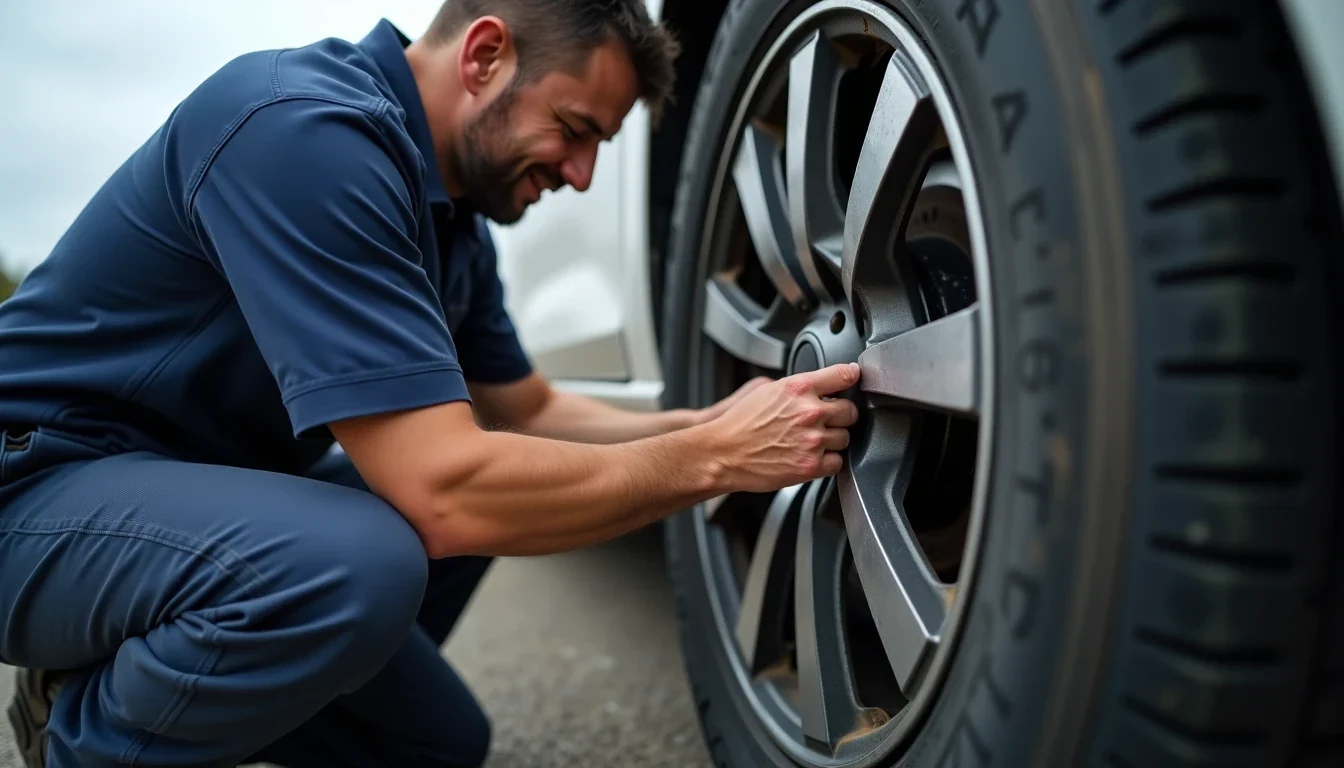
The photographs looked honest enough. Paint with a factory gloss, tires that still held their black, and an interior wiped clean enough to smell like nothing in particular. Most buyers start negotiating monthly installments at this point instead of asking what the car actually needs. By the time the pre-purchase inspection happens, if it happens at all, the emotional sale is already closed in the buyer’s head. The inspection becomes a formality they resent paying for, not the single most useful hour they will spend with the vehicle.
WesBank and the AA have both been explicit: the advertised price is only the entry fee. The full cost of owning a used car includes the repairs it is already queueing up, the maintenance it has skipped, and the components that are closer to failure than their appearance suggests. A pre-purchase inspection (PPI) forces that full cost into view before you sign. It is not a guarantee of perfection. It translates a polished sales pitch into a numbered list of what you are actually buying.
What a Clean Exterior Hides
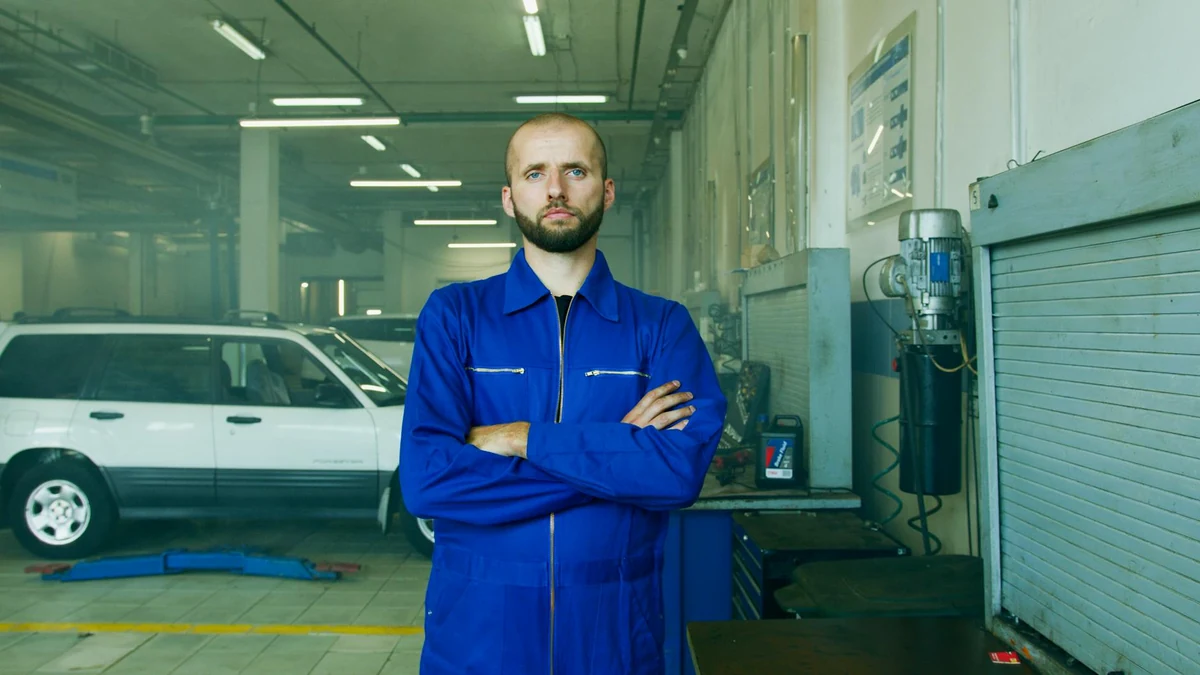
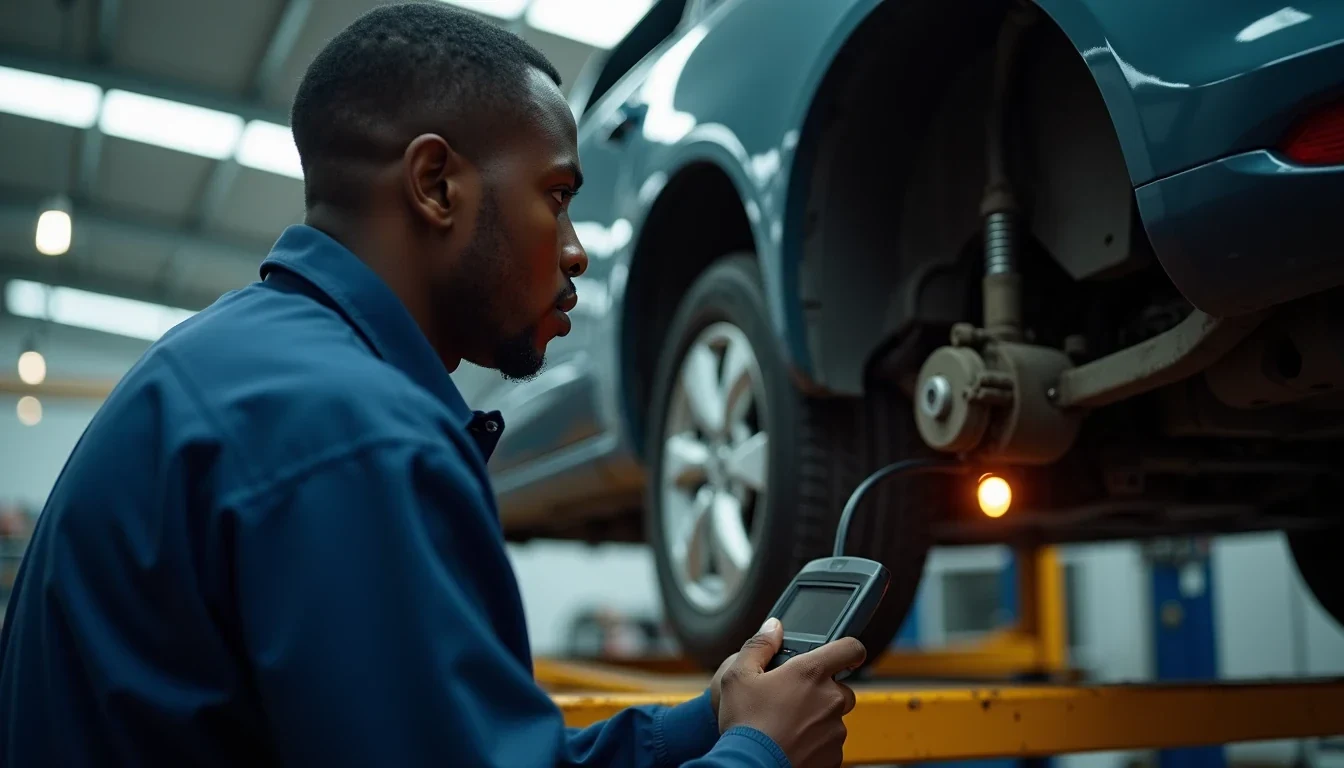
A PPI starts where the showroom finish ends. A technician with a lift, a diagnostic scanner, and enough time to work methodically can find what no walk-around or test drive will reveal.
Previous accident damage is a common discovery. Panels that align too well or not well enough, paint texture that changes between doors, and overspray in wheel arches or engine bays all point to repairs that were never disclosed. More seriously, a bent subframe or compromised crumple zones affect how the vehicle will behave in the next collision. These are not cosmetic blemishes; they are structural questions that change the car’s value and the safety of its occupants.
Fluid leaks run a close second. Oil seeping from a valve cover or oil pan gasket, coolant weeping from a radiator or water pump, transmission fluid collecting on the undertray, these are early warnings of component failure or degraded seals. On a cold engine they may not drip fast enough to spot on a driveway. Under a lift, with the engine warm and the underbody exposed, they tell a different story.
The suspension wears in ways that do not show until the car is loaded or cornering hard. Worn shock absorbers, degraded control arm bushings, and loose ball joints or tie rod ends create vague handling and accelerated tire wear. Left unchecked, they can lead to sudden loss of control. Replacement costs vary widely by vehicle, but budgeting between R3,000 and R10,000 per axle is a realistic starting point for common Cape Town makes.
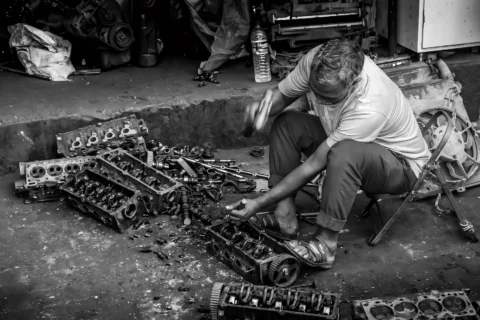
Cooling system problems are particularly expensive to ignore. A corroded radiator, cracked hoses, a failing water pump, or a thermostat that no longer opens properly can each cause overheating. In many engines, sustained overheating means a warped cylinder head or worse. A PPI checks coolant condition, system pressure, and flow, catching problems while they are still hoses and gaskets rather than engine rebuilds.
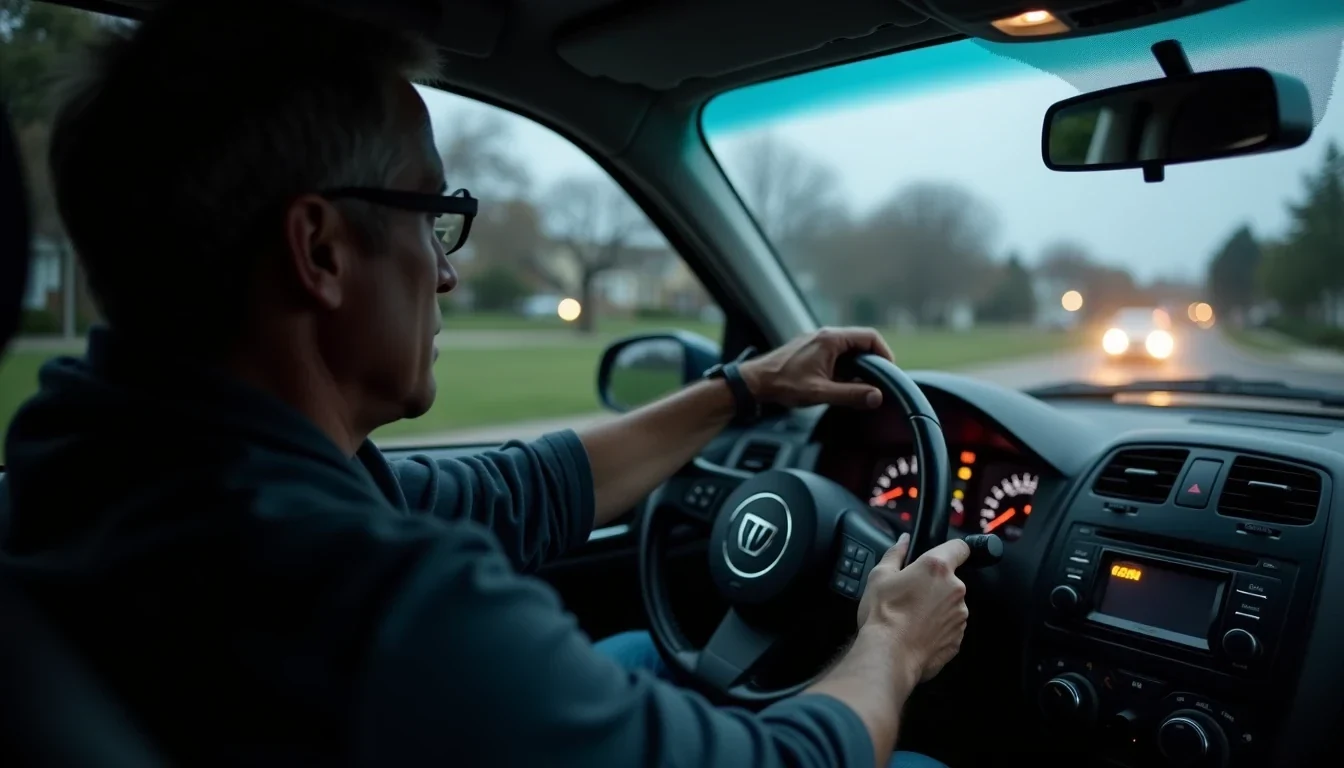
Diagnostic scans complete the mechanical picture. Sellers sometimes clear fault codes before a viewing, extinguishing warning lights that will return within days of normal driving. A proper PPI uses a scanner to read active and pending codes across engine, transmission, ABS, and airbag systems. An illuminated SRS warning, for instance, means the airbag may not deploy in a collision. This is not a negotiation point; it is a safety system that is not working.
Separating Urgent Repairs from Future Maintenance
Not every finding on a PPI report is a reason to walk away. Some items are simply the cost of owning a car. The skill lies in distinguishing what must happen before the vehicle is safe to drive from what can be scheduled and budgeted over the coming months.
Urgent safety repairs demand immediate action. Brake pads worn below 2mm of friction material, scored or warped rotors, or any leak in the brake hydraulic system create a direct risk of reduced stopping power or total failure. Tires below the legal 1.6mm tread depth, or with sidewall bulges and deep cracking, are blowout risks, especially on the N1 or N2 where speeds are sustained and the hard shoulder is narrow. Broken coil springs, severely worn ball joints, or damaged tie rod ends can cause sudden loss of steering control. Non-functional headlights, brake lights, or indicators compromise visibility for everyone on the road. These are not deferred-maintenance items; they are conditions that make the vehicle unroadworthy and dangerous.
Routine maintenance items tell a different story. An overdue oil and filter service accelerates engine wear but does not create immediate risk. Clogged air and cabin filters reduce efficiency and air quality. Spark plugs past their interval, typically 60,000 km for copper or 90,000 to 120,000 km for iridium, cost economy but not safety. A timing belt due for replacement is critical preventative work, as failure means catastrophic engine damage in interference engines, but it is a scheduled cost, not an emergency stop. These items belong in a maintenance budget, not a rejection of the vehicle, provided the price reflects them.
Cosmetic issues sit at the bottom of the hierarchy. Stone chips, interior wear, and minor panel damage affect pride of ownership and resale value, but they do not change what the car costs to run or whether it will get you home safely.
The Full Ownership Calculation
The PPI report becomes a financial tool once the technical findings are clear. Each identified repair and upcoming service item gets a cost estimate, and those costs get added to the purchase price to create a realistic all-in figure. This is where WesBank’s advice becomes practical. A monthly installment on a R180,000 car looks manageable until the same car needs R25,000 in immediate suspension, brake, and cooling system work, plus a timing belt service due at the next interval.
Forecasting future maintenance completes the picture. Tires at 3mm tread will need replacement within months. Brake pads at 4mm are not urgent but are visible on the horizon. A transmission that shifts harshly or fluid that smells burnt suggests a rebuild or replacement that can run from R30,000 to R150,000 depending on the vehicle. Knowing these costs in advance lets a buyer negotiate the purchase price down, demand that the seller complete certain repairs, or walk away with the money that would have been spent still in their account.
Fuel efficiency also belongs in this calculation. Engine misfires, clogged filters, and worn spark plugs that a PPI identifies all reduce economy. Over years of commuting in Cape Town traffic, small inefficiencies compound into significant running costs.
When the Inspection Pays for Itself
The psychology of used car buying works against the buyer. By the time they arrange financing, clear their schedule for a viewing, and start imagining the car in their driveway, they are already partially committed. Spending R800 to R2,000 on a PPI after this point feels like an annoying extra cost on top of an exciting purchase.
Reframe the timing. The inspection is cheap when it prevents a purchase that would have required an engine, a gearbox, and four tires within the first year. It is cheap when it reveals that the clean-looking hatchback was written off and poorly repaired, saving you from a vehicle with no structural integrity and no resale value. It is cheap when the diagnostic scan finds an airbag fault that the seller had cleared, giving you the information to demand repair or move on.
The AA has consistently advised buyers to make the PPI a non-negotiable step, completed before any deposit or emotional commitment. This is not skepticism for its own sake. It is recognition that the used car market rewards presentation over disclosure, and that the person who will live with the consequences of a bad purchase is the buyer, not the seller.
Arranging a PPI in Practice
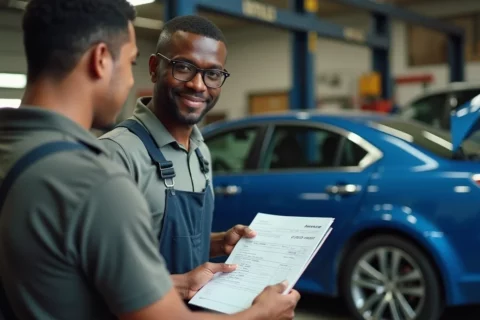
For Cape Town buyers, a mobile mechanic service can perform a pre-purchase inspection at the seller’s location, whether that is a dealership, a private residence, or a workplace parking area. This removes the friction of getting the seller to a workshop and lets the buyer observe or receive a detailed report with photographs. The inspection typically covers underbody condition, fluid levels and leaks, brake and tire condition, suspension and steering components, cooling system integrity, a full diagnostic scan, and a review of service history against manufacturer intervals.
Bring the findings back to the negotiation. A seller who has priced the car honestly will often adjust for verified repairs. A seller who refuses may be revealing something more important than any scanner: they already know what the inspection found.
The clean used car in the photographs is a starting point, not a promise. The PPI is how you find out which one it is.